
Blog Tour Book Review

Blog Tour Book Review – Bee Gone: A Political Parable by Constance Corcoran Wilson, illustrated by Gary McCluskey.
It is my pleasure to take part in this blog tour organized by Teddy Rose. The topic of Bee Gone: A Political Parable is timely, as our country considers the serious consequences of abuse of power by highest leadership. This insightful parable with revealing illustrations tells a cautionary tale about the effects of poor choices upon the general well-being of people and nations.

Book Review
The power of a parable is found in its simplicity. Parables take complex situations and cut through to the underlying principles. Parables are short, have human characters, and are designed to teach some truth, moral lesson, or abiding principle. They convey meaning indirectly by use of comparison, analogy, or metaphor. Though many parables are religious, others are political or philosophical in nature.
In Bee Gone: A Political Parable, author Wilson and illustrator McCluskey distill the essence of Donald Trump’s rise to power, becoming the 45th President of the United States in 2016. Although no character in the story is named, the flawless renditions of faces and expressions leaves no doubt about who it is. The parable’s lessons are set within the metaphor of a bee hive, something with which almost everyone is familiar. We understand the principles of a bee hive, how bees all work together and fulfill their roles to make honey and keep the hive healthy. The Queen Bee, head of the hive, is a symbol of leadership. Readers cannot fail to recognize who the Queen Bee was and that she should have continued. But, Donnie Drone was jealous and ambitious for power, so he launched an attack using unethical and illegal strategies.
Many worker bees saw that Donnie Drone was unqualified, but he joined forces with another hive—”one that was evil and had not really thrived.” Obviously alluding to Russia, readers easily recognize the foreign leader whose intentions are to manipulate Donnie once he is in power. With Donnie on the “throne” the bee hive begins to malfunction, unable to keep producing honey due to the rapid replacement of worker bees who either quit or were fired. Some worker bees were concerned enough to investigate Donnie’s actions, eventually leading to his removal from the hive. Afterwards, the worker bees rebuild the hive and seek another Queen Bee qualified for leadership; again a recognizable political personality and current Presidential candidate.
The parable concludes with a cautionary verse, reiterating that Donnie was a “very bad bee” and not very truthful. If the lesson of the parable is learned, then the bees will be very careful in choosing their next leader, or again everyone will “take a fall.”
After the parable ends, there are excerpts from the author’s books covering the 2008 election of Barak Obama, including parts of his and Joe Biden’s speeches. Similarities to the upcoming 2020 presidential election are stressed; the country deserves a qualified, inclusive, and intelligent leader. The book is geared toward progressive voters, and is a useful tool to help people recognize underlying principles and consequences of poor choices.
Enter giveaway for a chance to win your choice of book, one print or ebook copy of Bee Gone: A Political Parable. Print is open to the U.S. only and ebook is available worldwide. There will be 3 winners. This giveaway ends November 29, 2019, midnight Pacific Time.
Hidden Reviews
Where do you go to read reviews of books?
I’ll bet that none of these immediately come to mind: Historical Novel Society, Midwest Book Reviews, City Book Reviews, Library Thing, Book Riot, Bookish, Booklist, Foreword Reviews, or Bookpage. You’ll probably think of Kirkus, BookBub, Goodreads, NY Books, and Publishers Weekly. Or The New York Times Review of Books and Library Journal. . . for those lucky few authors.

Everyone who reads, whether print or ebooks, knows the ultimate review source: AMAZON. Where do you turn first when you want information about a book you’re interested in? Kudos if you didn’t answer Amazon — I know some people who have sworn off the behemoth of online shopping. Sadly, most readers simply find it too convenient to disdain this slick service and thus read mostly Amazon reviews.
But, there’s a world of hidden book review sources that few readers will see. These are reviews posted on individual blogs by a myriad of reviewers and hosts. The world of book blogging is huge. It’s easy for some great reviews to remain hidden, never to be seen by most readers.
My purpose in this blog series is to rescue hidden reviews of my recent book, The Prophetic Mayan Queen: K’inuuw Mat of Palenque. After it was published in January 2019, I took it on two blog tours. Each tour had 8 to 10 hosts who either wrote reviews, had guest reviewers, and/or did author interviews. It was great fun responding to their interview questions, even including a You Tube video. The book got several excellent reviews, but most were never posted on Amazon or Goodreads.
Here’s the review posted on Shannon Muir‘s blog. 

Guest Review of The Prophetic Mayan Queen by Laura Lee
Wow. Whenever I read a book like this I cannot imagine the amount of research that must have gone into it. Leonide Martin’s bio says that she is a professor and Mayan researcher and I’m not surprised to hear that considering the depth of information in this book.
Now, don’t get me wrong, I know when I say that this book was
packed with info about Mayan culture that type of statement would turn a lot of
people off from reading it. You might be thinking something like, “Oh no, this
sounds dull or too hard to understand.” Honestly, I would probably have assumed
that too, but this book was SO not dull or hard to understand.
Martin seems to have a way with providing just the right amount of detail to
draw the reader in and illustrate the world without dragging it down with a
bunch of unnecessary stuff. I have read very few writers who can accomplish
that and she seems to do it with ease.
Writing about history is one thing, but writing about a totally different world
through the eyes of a 12 year-old girl is a totally different ballgame.
Martin’s heroine, K’inuuw Mat was interesting, kind, motivated and, and this is
the most important part– realistic! It was simply amazing to read about a girl
who would have lived thousands of years ago and be reminded of my own self as a
young woman.
What an experience this book was! I’m going to be keeping it in my library for
future re-reads and to help me in my own historical writing. Maybe the goddess
Ix Chel can bless me in my own work and make it just as historically accurate
and entertaining as this one. I Cannot recommend this book highly enough if
you’re on the fence about reading it! I give it all 5 stars!
Interview with the Author Leonide Martin 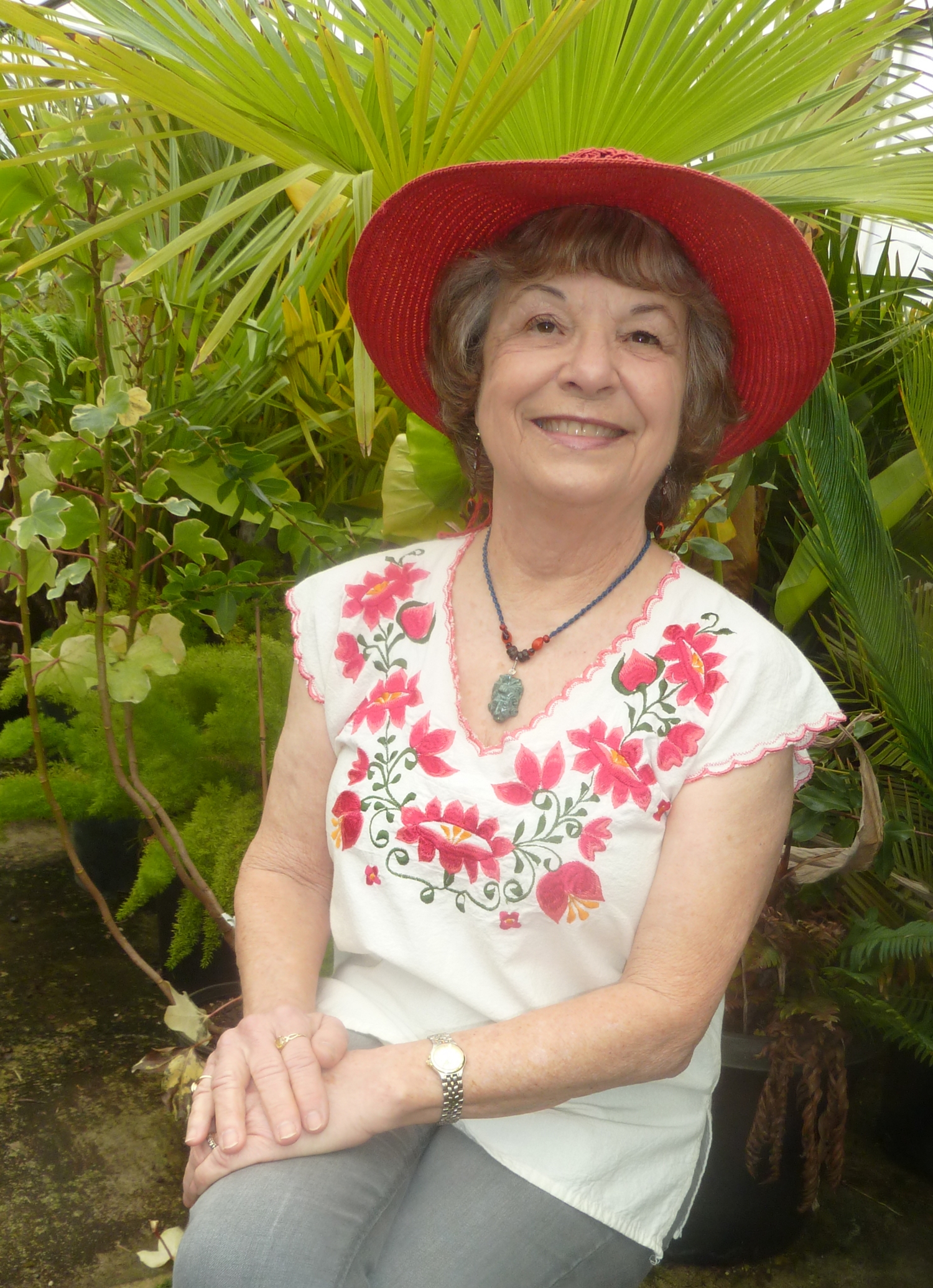
Where do you get the names for your characters? Most of the characters have historic names, and I use these as archeologists have spelled them. With progress in the ability of epigraphers to read Maya hieroglyphs, different spellings have emerged. My choice about which spelling to use is influenced by my past exposure to those names, and my sense of which spelling would be easier for English readers to understand. For fictional characters, I select Mayan words from a list that I’ve generated over the years. Mostly the translations of those words guide my selection, since I try to fit the name to the character.
How long did it take you to complete the book? Active writing took nearly two years, though I’d been collecting research for this time period all along. –
Which character do you love to hate? Probably my most villainous character in this book is Talol, wife of Kan Bahlam. She is jealous, scheming, and vengeful with no redeeming virtues. But, she deserves some sympathy because she is so deeply wounded by her amorous and disdaining husband. Talol does get to inflict considerable harm on those invoking her wrath, but meets poetic justice.
Tell us about your cover. Did you design it yourself? The inspiration for this book cover comes from the story itself, and my knowledge of solar phenomena at Palenque. I had the cover designed and completed by a graphic artist before I started writing the book, although I had already conceptualized the story. I knew how the story would end, and the cover depicts the final scene in which K’inuuw Mat stands on the top step of the Sun Temple built by Kan Bahlam. She honors him and his genius while symbolizing the continuous cycles of Mayan culture. I sent a sketch to my artist, gave him pictures of the temple, solar phenomena, and depictions of K’inuuw Mat on tablets at Palenque. He did a magnificent job! –

Buy Book

Virtual Author Book Tour – Your Time, My Space

Join me in cyberspace for a book tour!
February 5 – 28, 2019. Come whenever you have time, you don’t need to dress up.
Visit each blog stop, even those already scheduled, read interviews, guest blogs, reviews, and excerpts.
Comment to enter book giveaway.
Doing book tours the easy way.

With the launch of the fourth and final book of my series about ancient Mayan Queens, I decided to take the easier route. For each of the previous three books, I scheduled brick-and-mortar bookstore tours. Doing these took a huge amount of time, energy, coordination, and publicity. Physical tours are also quite expensive, with travel costs and presentation materials. For the most part, my bookstore tours were decidedly not cost-effective. Of course, I really enjoyed my interactions with bookstore event coordinators and staff, and the usually small number of interested readers who attended. Traveling to Seattle allowed me to visit family and friends, and my Oregon stops were equally congenial. This time around, however, I just wanted less hassle. Virtual book tours were the answer! Now I can stay at home, doing my book event via my computer, and even while enjoying a glass of wine.
Organizing a virtual book tour is no small task. I did seek out a few book bloggers for the earlier books, but didn’t have the bandwidth to create a real tour. So, I decided to use Virtual Book Tour (VBT) organizers for my new book. Having a professional VBT organizer certainly makes everything flow better. It’s a real pleasure to work with Teddy Rose of Premier Virtual Author Book Tours.
What you can expect when you join in my VBT.
Ten different book bloggers are hosting during this tour. They were selected because they have interests in my book’s genres, which span historical fiction, historical romance, fantasy, and paranormal novels. When bloggers and books are matched, the results are optimal. The bloggers are scheduled during a set time period, and can elect to send the author interview questions, request a guest blog post on a subject they choose, post an excerpt from the book, or write a book review. Some bloggers do more than one of these. The author receives everything in advance and sends responses to the tour organizer by a set date. Then the tour host forwards it to the blogger, who posts it on the set date.
Tour organizers advise authors to offer a book giveaway or gift certificate to readers who visit the blogs and write a comment. It’s an enticement for participation and increases visibility on the web. In my present VBT, I’m using a book giveaway, either ebook or paperback. You can enter at each blog stop for a chance to win.
Virtual book tours are a great tool for authors to get their books read, reviewed, and noticed. They help create buzz around a book release.
Schedule of VBT for The Prophetic Mayan Queen: K’inuuw Mat of Palenque.
Visit each blog stop, enjoy reviews, interviews, guest posts, and excerpts. You can make comments at any time, even after the scheduled dates, and enter for a chance to win the book giveaway.
Feb. 4 Teddy Rose Book Reviews Plus https://theteddyrosebookreviewsplusmore.com/2019/02/04/prophetic-mayan-queen-kinuuw-mat-of-palenque-by-leonide-martin-interview-review-giveaway/#.XFzYHqB7mUl
Feb. 5 Bookgirl86’s Reviews https://www.goodreads.com/review/show/2696578333?book_show_action=true&from_review_page=1
Blog Tour – The Prophetic Mayan Queen

Join the Blog Tour for The Prophetic Mayan Queen: K’inuuw Mat of Palenque
Mists of Palenque Series Book 4.
Blog Tour Dates January 7 – 11, 2019.
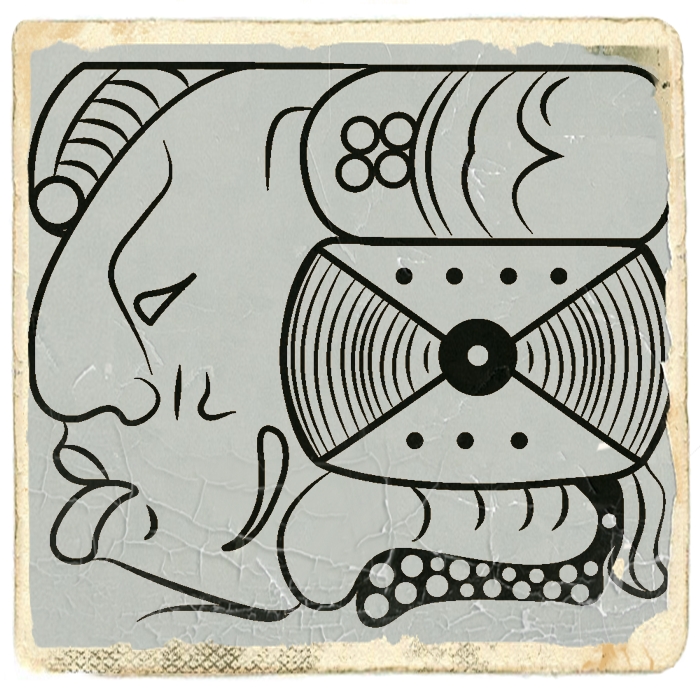
K’inuuw Mat Name Glyph
Journey back 1300 years to the splendor and intrigue of Mayan civilization, the most advanced in the Western World. K’inuuw Mat, a royal girl who wants to dedicate her life to serving Mother Goddess Ix Chel, instead finds her destiny is marriage into the Palenque royal family, overlords of her region. With her skills in scrying and prophecy, she seeks a vision of her future husband. But, upon arriving at his city, she realizes the face she saw is his older brother, Kan Bahlam. They are immediately attracted, though she resists and follows through with marriage to the younger brother. As family conflicts, regional politics, and high court dramas play out, K’inuuw Mat shares astronomical interests with Kan Bahlam while keeping her distance. He schemes to fulfill his passion for her, assisted by fateful events that bring them together in most unexpected ways. The Goddess gives K’inuuw Mat a mandate to preserve Mayan culture for future generations, as their civilization begins the decline her prophecy foresees. She rises to meet the challenge, aided by mystical connections with ancestor women rulers who give guidance through visions. Her children help carry out the mandate through surprising links with Kan Bahlam.
K’inuuw Mat was a real Mayan women who lived during the late 7th and early 8th Centuries CE. Her portrait appears on a panel in Palenque (Tablet of the Slaves),
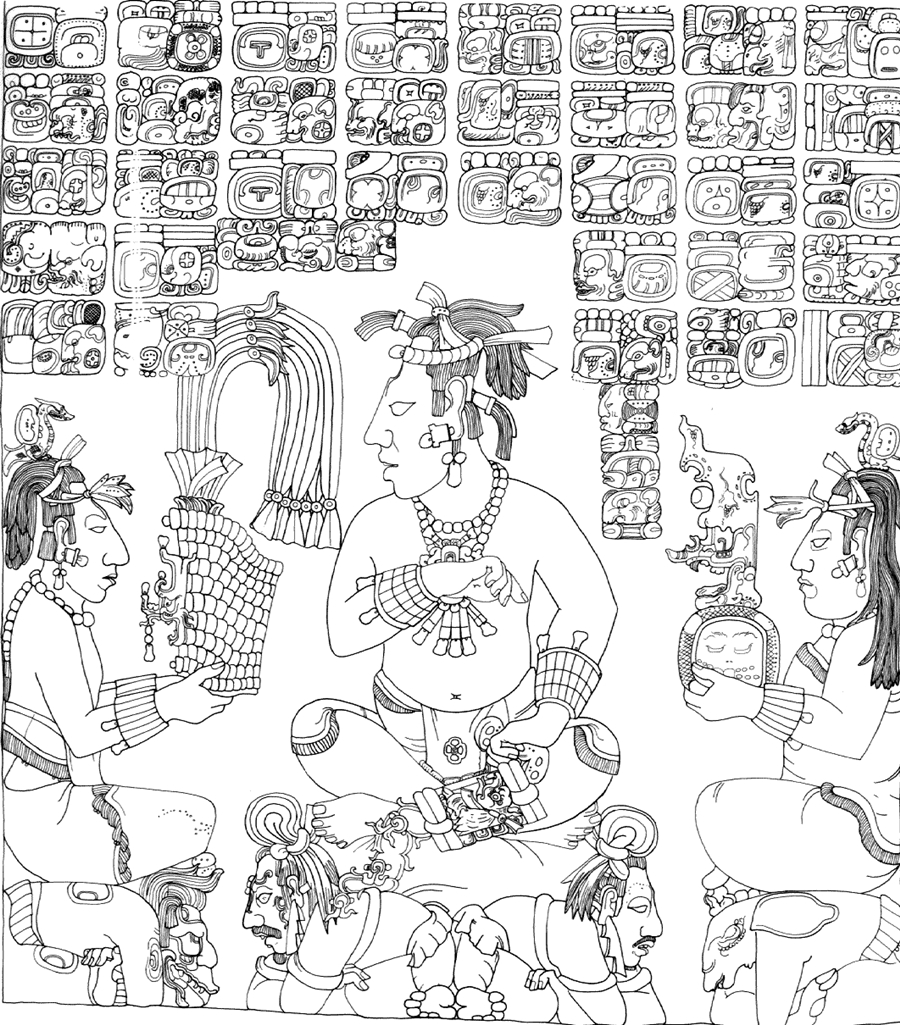
K’inuuw Mat on right, her husband Tiwol Chan Mat on left, offering rulership symbols to their son.
Tablet of the Slaves
seated on the right, where she offers a symbol of royal status to her son. Her husband, Tiwol Chan Mat, is seated on the left. Not much is recorded about her life, but there is a lot of information about the men surrounding her–the ruling family of Palenque and their magnificent architectural and artistic creations. Many characters are from this family, their courtiers and warriors. Fictional characters help fill out the complex relationships and intrigues.
To the Mayas, spirituality merged with everyday life. They moved between dimensions to meet with star ancestors, sky Gods, Underworld demons, shamans, tricksters, and deities who influenced every aspect of life. Rulers and priests were trained as shamans, did vision quests, and used hallucinogens to alter consciousness. They interacted with deities, cast spells, and had visionary powers. During trance rituals where they offered their own blood, the most precious substance to the Gods, they saw incense smoke turn into the Vision Serpent. From its huge jaws they saw an ancestor or God’s head emerge, giving predictions or answering questions.
I hope you’ll want to read this book, and plunge into the Maya’s exotic, advanced, and astonishing culture full of passion, pageantry, and mysticism.
BUY BOOK
Pre-order now! Ebook available Jan. 13, print book Jan. 22, 2019
The Prophetic Mayan Queen: K’inuuw Mat of Palenque. Mists of Palenque Series, Book 4.
Each book in the series stands alone and tells the story of a real ancient Mayan Queen.
BLOG TOUR SCHEDULE January 7 – 11, 2019
Learn some little-known trivia about the Mayas, and find out some things you never knew about me. On the blog tour I’m answering a variety of interview questions, and writing some guest blog posts. The interviews were lots of fun, asking such questions as “What made you want to be an author,” “What is your favorite part of this book.” ‘Which character would you go drinking with,” “What should readers expect from this book,” “Tell about the cover and the inspiration for it,” “What part of the book’s world would you want to visit for a day,” “If a dwarf challenged you to a duel what would you do,” and details about my writing habits and quirks. My answer to the last question might surprise you, and it gives insight into the Maya world.
Visit each blog on the date listed below. Be sure to enter Rafflecopter for a chance to win an Amazon or Barnes&Noble gift certificate!
Tour by Goddess Fish Promotions.
January 7: Mythical Books – review only
January 7: Lisa Haselton’s Reviews and Interviews
January 7: Candrel’s Crafts, Cooks, and Characters
January 8: Bookaholic
January 8: T’s stuff
January 9: Fabulous and Brunette
January 9: Edgar’s Books
January 10: Paranormal and Romantic Suspense Reviews
January 10: Kit ‘N Kabookle
January 11: All the Ups and Downs
January 11: Let me tell you a story – review
Guest Blogpost by Amanda Jayne

I’m delighted to host Amanda Jayne, intrepid author of Close Encounters of the Traveling Kind, stories of her near-death travel adventures in some of the world’s most exotic and unusual places. Jayne was inspired during her youth by a teacher, and always yearned for far-away places. She began these travels in the late teens-early twenties, and had much to learn about staying safe and well in foreign lands. In this humorous and gripping book, Jayne gives vivid descriptions of hair-raising escapades and provides wit and wisdom through “lessons learned” and”tips on how not to die” should other travelers be brave enough to follow her steps.
Below are Jayne’s thoughts about why she sought travel around the world and what traveling means to her. My review of her book follows. —Leonide Martin

Amanda Jayne
I’ve been fascinated by other cultures and countries since I was young. I’m not sure what it is inside me that draws me to them but it’s some kind of magnetic power that pulls at me. I remember pouring over the atlas we had on the bookshelves in my home. It was bigger than I was at the time, at least that’s how I remember it. I would follow the lines and contours of the countries wondering what and who they held inside them. One Christmas I received a large book of mysterious places of the world. Inside were photos of places like Machu Picchu, the Nazca lines and Easter Island. I traveled the world in the pages of this book, from England to Australia, Peru, Mexico, China and beyond. I could feel the energy of each place as I pored over the pictures and read about the countries and I knew that one day I would travel and see them. At school, some of the kids laughed at my idea of traveling and told me I was going to be the first to marry, settle down with 2.4 kids and abandon my travel plans. “Anyway,” they said, “There’s no way you could do it, it’s too difficult.” Then I met Mrs. Joseph.
In my book I have written about Mrs. Joseph in the introduction. She was my English teacher, originally from Myanmar and had lived in several countries that seemed so exotic to me as a teenager. She taught me that travel was not only possible, but that experiencing other countries and cultures was an essential part of life. The stories she shared with me were of strange animals in India making impossible leaps across wide roads in the dead of night, or of her friend who was cursed by an Indian man and told he would die at 22 – and he did (“this was simply because he believed her, the man was not magic”, Mrs. Joseph would say, “your mind is strong, you can use it to help yourself or hurt yourself.”) She spoke casually of her countless miraculous escapes from death, mostly at the hands of cars that ran her over in different ways but also of other strange co-incidences in which her life was saved.
As I look back now, her strongest influence on me was her causing me to begin to see the world around me differently. She wasn’t sharing her strange stories for the drama or to provoke a reaction, she was genuinely concerned that I see that there was more to life than the school walls and learning facts. Mrs. Joseph was a strict teacher, not impressed by nonsense and prone to giving out detentions to those who used the words, nice and a lot in essays (“they are not real words; they don’t say anything to me. Use a word that means something!”). Outside the classroom though, she taught me there is more to life than meets the eye, that the things you need in life will turn up at the exact moment you need them (if they don’t, you didn’t need them) and that the magic and mystery is all around us, right here, in the natural world and in the way we can interact with it, if only we are willing to see. I say ‘she taught me’ but really she told me and encouraged me because these are things you can only learn from experience, and travel is one of the best ways to learn because it tends to put you in unusual places and situations that make you look more clearly and deeply into the world.
Armed with all I’d learned from my favourite teacher and all I’d dreamed of from my books (pre-Google days!) I started traveling. The first thing I noticed was that it is easier than it looks – like anything in life, the thoughts and fears about doing something are most often the toughest part. Once you commit and start, the way opens up for you. I didn’t intend for anything to be ‘adventurous’ travel, I simply wanted to see and explore the world. I’m not an adrenalin junkie and even refused to bungee jump when I was already in the queue at the famous bridge in New Zealand where it all began – I am afraid of heights, can’t swim and when I saw people returning with burst blood vessels in their eyes I felt ok with backing out. However, I am happy to take risks when there is an encounter I really want, a place I long to see or I know I will grow and learn from the experience.
Any travel outside of resorts and hotels is going to bring strange circumstances and adventure primarily because we are in an alien environment. I find that being in foreign cultures where I don’t have a clue what people are saying and I have no idea what is going on makes me feel alive. It stirs something within that wakes me up and causes me to look differently at the world and the people around me. I am more in the present moment during those times, I have the kind of wonder a child must feel when she sees a flower for the first time and is in awe of it. I love that, and I adore the feeling of expansion that comes over me when I am in the presence of a place or creation that has enormous energy.
Mostly, the experiences I write about in the book simply come from exploring places that were fascinating to me. I have worked in an orphanage and an English school in Bolivia, lived in Japan for five years and walked 1,200km alone around the 88 temple pilgrimage on Shikoku. In India I’ve been stalked by a man who shouted at me wherever I went for several days (“You are crap madam, crap!”) and given a bunch of grapes by a Sadhu (wandering holy man) when I had my pack stolen. It was his only possession in the world and his selfless compassion reached out to me as I cried over the loss of my backpack and helped me see clearly again. I’ve nearly come a cropper in Peru, Bolivia, Japan, Thailand, Nepal and South Africa. All of these experiences have taught me valuable lessons about who I am, how I want to be and how I can live more fully and peacefully in this wonderful world.
Now I understand that just living each day, no matter where you are, can be an adventure if you approach life with wonder and awe. It’s true I’m not being attacked by snakes in my bedroom in Kent or chased out of a makeshift drinking tavern by several angry tribesmen, but there is magic and adventure to be found in life wherever you are. And there are always more countries and cultures to explore… I’d better start packing. — Amanda Jayne
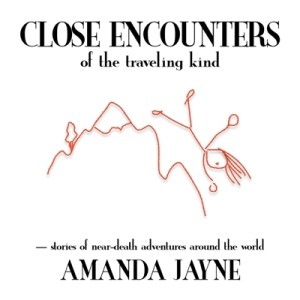 Close Encounters of the Traveling Kind by Amanda Jayne
Review by Leonide Martin
Hair-raising travel adventures told with wit and brevity.
For those who love traveling, Close Encounters of the Traveling Kind will provide both uproarious amusement and cautionary tales. Inspired by a teacher, Jayne seeks out some of the world’s most exotic and unusual places for adventurous travels. She narrowly escapes death from altitude sickness on Mt. Fuji, getting lost in the Amazon, a vengeful snake in Thailand, freezing on the way to Machu Picchu, typhoid and salmonella in La Paz, and falling down a ravine bicycling the Death Road in Bolivia. From each near mishap, she culls wisdom and humor, leaving lessons learned for those daring enough to follow her steps.
Her mishaps in South Africa while taking local native buses to Lesotho to ride mountain ponies are downright terrifying. Only a naive 20-something would attempt such dangerous travel alone. A solo white woman in a sea of black faces during the upheaval following the fall of Apartheid, Jayne is nearly kidnapped, assaulted, and threatened with death. From these she learned to listen to her gut, mistrust local advice, take food and water, and watch for the “guardian angel,” a large native woman who took her under a wing to safety.
The last adventure proved to be truly numinous. Rafting the Bhote Kosi River in Nepal, Jayne is thrown from her raft into Class 5 rapids and sucked into a whirlpool. In the near-death experience, she entered a divine calm, her mind stilled and everything crystal clear. But the whirlpool released her to live for yet another adventure. Her lesson learned there perhaps sums up Jayne’s approach to travel close encounters: “Let go, life has got me.” Written with brevity, wit, and gripping description, any adventurous traveler will enjoy—though probably not emulate—these travel stories.
Enter this Giveaway for a chance to win a print copy (U.S. only) or ebook (worldwide) of Close Encounters of the Traveling Kind.

Teotihuacan – Empire of Enigma
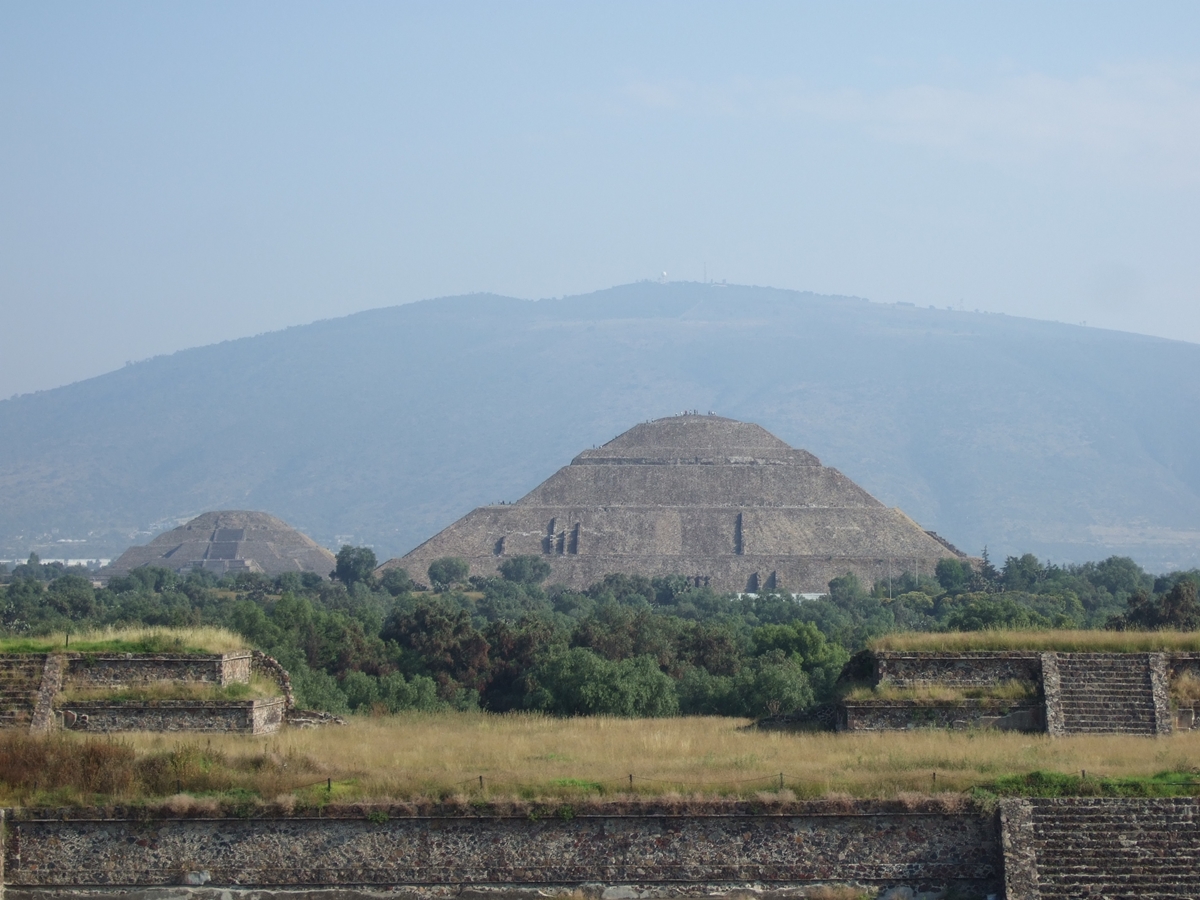
Pyramid of the Sun, Pyramid of the Moon at Teotihuacan
Teotihuacan: Central Mexico Empire With Wide Influence into Maya Regions.
A huge city was built in the Basin of Mexico, not far northeast of modern Mexico City. It flourished in these highlands between 150 BCE-650 CE, and for much of that time it was the largest city in pre-Columbian Americas. Population at its height was estimated at 125,000, making it among the world’s top 10 cities at the time. The architecture and layout were unique. There were multi-family residential compounds, apartments of several stories, towering pyramids, streets laid out in a grid pattern, and a 1.3 mile-long central avenue bordered by splendid elite residences. Today Teotihuacan is the most visited archeological site in Mexico. Over 4 million people from around the world come each year. Visitors marvel at the immense Pyramid of the Sun, the elaborate Pyramid of the Feathered Serpent (Quetzalcoatl), and the long straight avenue leading to the Pyramid of the Moon. They stroll into the past through chambers and patios of the partially reconstructed

Avenue of the Dead leading to Pyramid of the Moon, Teotihuacan
Palace of Quetzalpapalotl, and ponder the vibrant murals and fine obsidian tools made by ancient artists and craftsmen. The site covers 32 square miles and was designated a UNESCO World Heritage site in 1987.

Palace of Quetzalpapalotl, Teotihuacan
The original name of the city is unknown. The Aztecs who came nearly 1,000 years later named it the Nahuatl word Teotihuacan, “place where gods were born.” They believed the gods created the universe at that location. The Classic Maya wrote its name in hieroglyphic texts, calling it puh,”Place of Reeds.” Such places were considered the locus of creation, which took place in swampy, reedy, and watery locations. These creation locations are also referred to as Tollan or Tula. Rich soils from swamps supported agriculture, and early settlers constructed raised beds called chinampas.
Who Were the Teotihuacanos?
The advanced culture that created Teotihuacan did not leave any writings in the strict sense. They used signs or symbols; 229 have been cataloged but their meanings are mostly unknown. Our understanding of their civilization comes from study of buildings and pottery, placed in context of what is known of regional settlements.
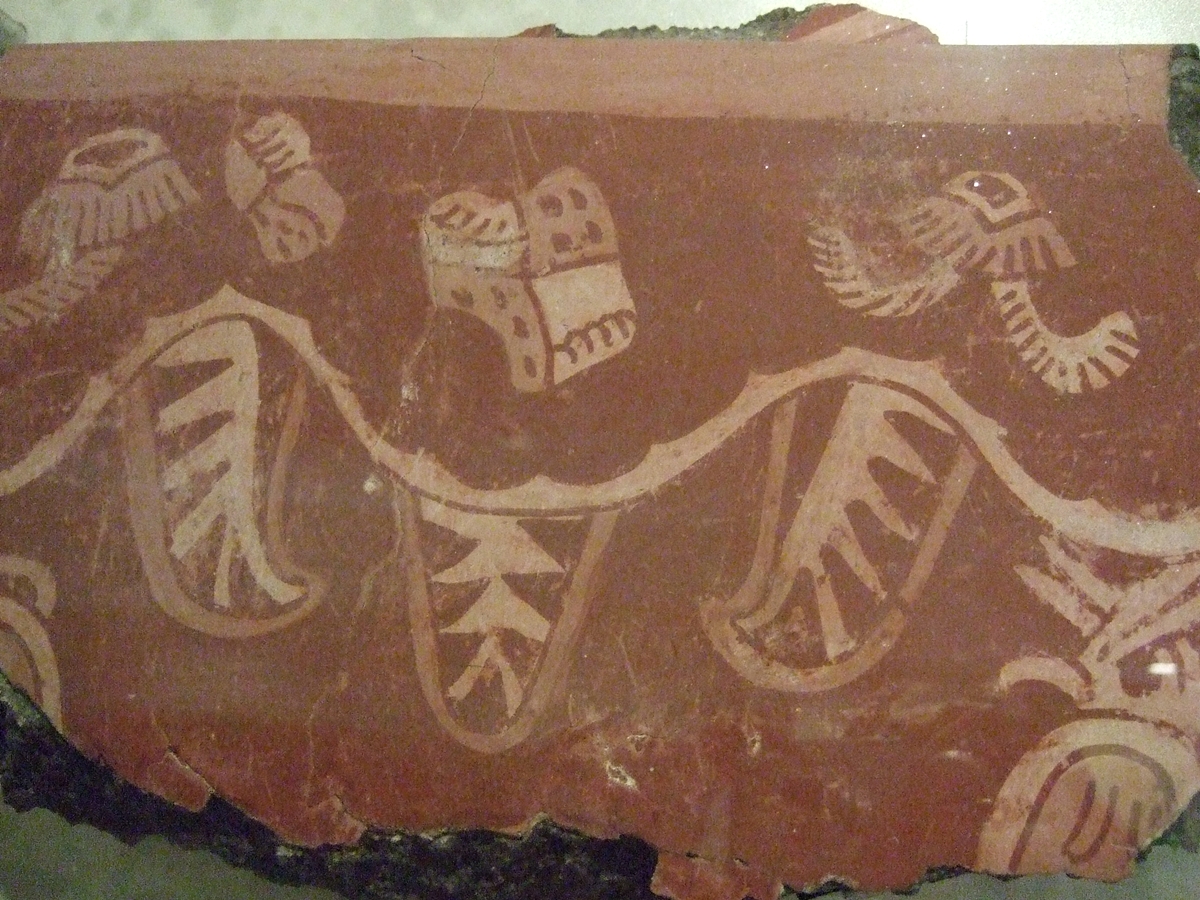
Signs painted on mural at Teotihuacan

Major Sites in Central Mexico
Around 500 BCE several urban centers arose in central Mexico. The most prominent was Cuicuilco, with a population of 20,000 located on the south shore of Lake Texcoco. A volcano called Xitle erupted around 400-200 BCE and covered this city in ashes, prompting mass emigration toward the north valley. Researchers think that other peoples joined this migration from 13 small regional villages. There was a huge eruption of the volcano Popocatepetl in 200-1 BCE, forcing survivors in the Amecameca-Chalco-Xochimilco regions to migrate. Maybe Teotihuacan leaders capitalized on the Volcano Gods’ sparing their area of the valley to entice more settlers. The earliest buildings at Teotihuacan date to around 200 BCE, and the Pyramid of the Sun was completed by 100 CE.
Teotihuacan expert George Cowgill reports that “the people who first built and occupied Teotihuacan were simply some of the people whose ancestors had already lived for millennia in Mesoamerica.” (Cowgill, Ancient Teotihuacan: Early Urbanism in Central Mexico, 2015) He believes that asking who were the Teotihuacanos is a false issue; the better questions involve why and how the city and the state it ruled flourished so long, looking at its sociopolitical system, religion and ideology, environmental factors, and commercial enterprises. Teotihuacan built on the urban tradition already developed at Cuicuilco, stretching back to 500 BCE with Monte Alban in Oaxaca.
Teotihuacan Empire Lasted 800 Years
The city reached its zenith in 250-550 CE. Its population leveled off, the main structures were in place, and the city’s southern section filled in with about 2,300 residential compounds that housed people from all around its realm of influence. There were enclaves with foreign connections and craft specialists, including styles from highland Oaxaca, the Gulf Lowlands, the Maya area, and Michoacan to the west. There were distinct quarters occupied by Mixtec, Maya, Otomi, Zapotec, and Nahua people. The city’s influence continued to expand with growing political complexity. Early political institutions may have been collective, but the sheer scale of civic-ceremonial structures suggest talented and charismatic leaders responsible for the largest pyramids and increased human
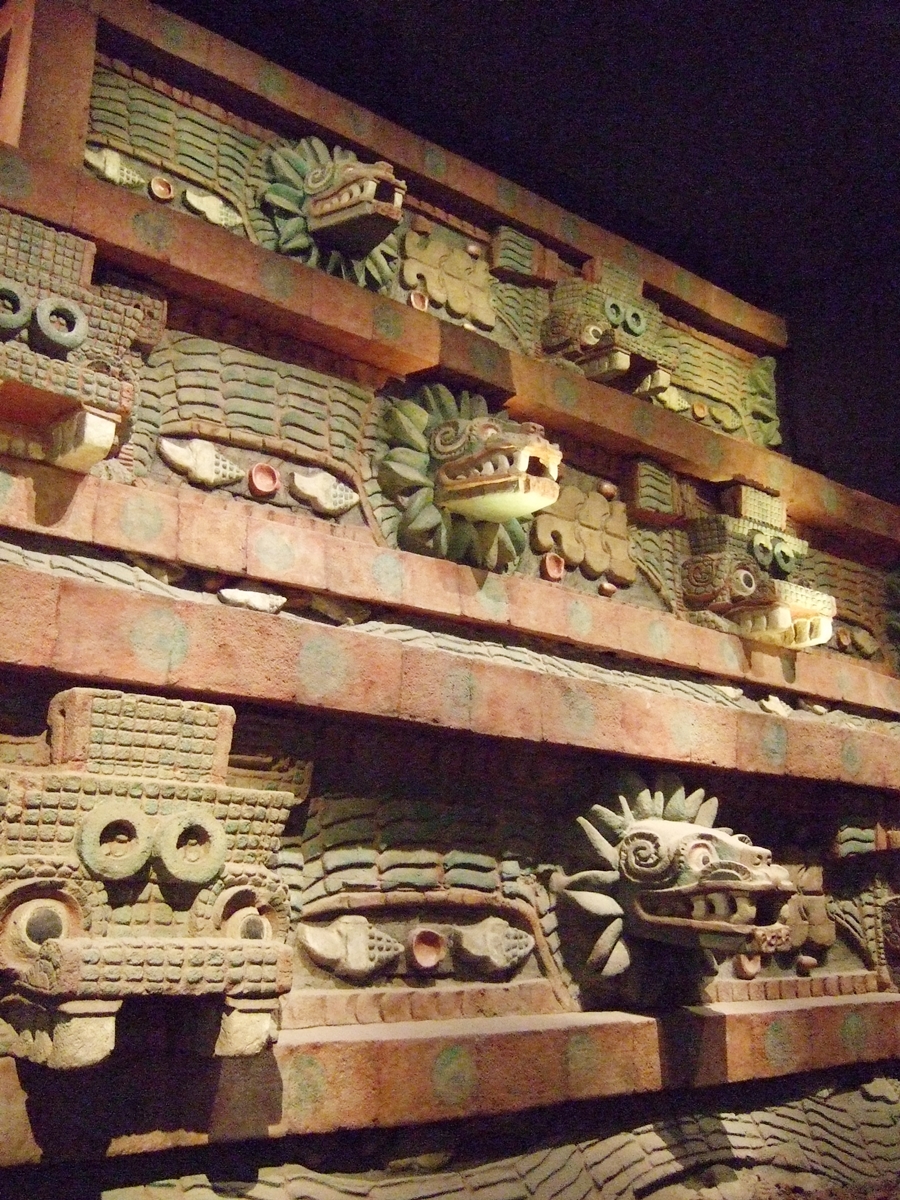
Pyramid of the Feathered Serpent at Teotihuacan
sacrifice. They reached beyond the Basin of Mexico seeking resources, with outposts 124 miles to the west, and by 200 CE Teotihuacan had presences as far away as Pacific coastal Guatemala. Their tendrils reached far south to Maya preclassic sites such as Kaminaljuyu and Abak Takalik. Around 250 CE a burial in Altun Ha, Belize held 243 pieces of green obsidian from Teotihuacan’s mines in Pachuca. Altun Ha was a large-scale center for jade carving, obtained from mines in the Motugua Valley in southeastern Guatemala. Teotihuacan coveted jade and such elite trade goods underlay the empire’s expansion. This spurred greater incursion into Maya regions.
The Maya “Entrada.”
Just over 100 years later, in 378 CE, a group from Teotihuacan changed Maya history in the Peten region. A warlord named Siyaj K’ak (Fire is Born, Smoking Frog) led his warriors to overcome Maya cities of Uaxactun and El Peru. From there his warriors entered Tikal, a venerable city and major power, and the death of Tikal’s ruler Chak Tok Ich’aak on that same day was recorded. The next ruler was Yax Nuun Ayin, the son of a Teotihuacan lord or ruler called Spearthrower Owl (translated in Mayan as Jatz’om Kuh). It is thought Yax Nuun Ayin married into the local Tikal dynasty, perhaps a royal woman named Une Balam who may have been the Tikal ruler’s daughter. (Janice Van Cleve, “Who Was Queen Une Balam?”) Tikal Stela 31 records these events; shortly afterwards Teotihuacan imagery and building styles such as talud-tablero architecture appeared in Tikal.
Less than 50 years later Teotihuacan influence spread south to Copan, Honduras. Yax K’uk Mo’ (First Quetzal Macaw) was a warrior who spent his early years near Tikal, according to strontium isotope analysis of his bones. He became the “first” ruler of Copan in 426 CE, although there must have been a local dynasty since the city had existed for years. He is portrayed in typical
Yax K’uk Mo figure with Tlaloc goggle-eye mask
Teotihuacan battle dress wearing the “goggle-eye” mask typical for the god Tlaloc. He was buried in a rich grave inside Temple 16, and his image has first position in the carvings on Altar Q showing 16 rulers of Copan. His descendants attributed Teotihuacano heritage to their founding ruler. Yax K’uk Mo’ possibly accompanied Siyaj K’ak in the earlier invasion of Tikal as a youth, and continued to spread Teotihuacan’s reach to important jade sources in the Motagua River region. He installed a vassal who had traveled with him, named Tok Casper, at nearby Quirigua. Both these settlements lie on the river network leading from the Motagua Valley to the Caribbean Sea. This gave links for Teotihuacan to control the jade trade.

Talud-tablero architecture at Teotihuacan
Variants of the Teotihuacan talud-tablero building style are found in Tikal, Kaminaljuyu, Copan, Becan, and Oxkintok, especially in the Peten Basin and central Guatemala highlands.
Reasons for Teotihuacan’s success appear to be built into their sociopolitical and religious systems. Some experts think they offered a new, attractive world view that blended religion and government in a unique way. The extensive urban planning and awe-inspiring monuments still observable today provide testimony to this well formed civic-spiritual ideal. The Teotihuacano fusion of extreme religious rituals that included human sacrifice, formalized social structure, and astute political organization formed a powerful matrix that controlled the lives of all who lived within it, and many in distant locales. How closely the ruling elite administered outposts is debated; more likely their agents influenced trade arrangements and local dynastic politics. Cultural diffusion led to adoption of Teotihuacan styles and traits to emulate the powerful empire.
Collapse of an Empire
The enigmatic leaders of Teotihuacan appear by the mid-500s to hold sway over much of Mesoamerica. They mainly accomplished this through political alliances and vassal rulers. By controlling trade networks, they kept the Teotihucano people well fed and living in comparative luxury in an advanced city with running water, sewers, brick homes, neighborhood communities, and multi-level residences. Public rituals with human sacrifice that played out before thousands of viewers maintained priesthood and elite power. Eventually the system did fail by 650 CE. As with collapse of other major civilizations, a number of factors were involved. Perhaps most insidious was internal competition between priests, elites, and leaders. Resources were siphoned off from central government, weakening the discipline and social control systems. A series of long droughts occurred around 535-536 CE, with evidence of famine and malnutrition. It is possible the eruption of the Ilopango volcano in El Salvador in 535 CE created climate changes. There was increased warfare and internal unrest. Popular rebellion led to burning elite dwellings and major civic structures along the Avenue of the Dead. Sculptures inside palaces were shattered. Population declined to 20,000 and Teotihuacan’s power diminished. Many of the elite may have fled the city, going on to create new cultural centers to the south. Other nearby centers such as Cholula, Xochicalco, and Cacaxtla competed to fill the power void. This led to rise of the Totonac, Toltec, and later Aztec peoples.
In October 2018 I visited Teotihuacan for the first time–it was on my bucket list! I went with archeologist Edwin Barnhart on his Maya Exploration Center tour of Basin of Mexico sites. No better way to experience and learn about ancient Mesoamerican cultures. Visit Maya Exploration Center for more information. Dr. Barnhart also made a video lecture series for Great Courses on Maya to Aztec: Ancient Mesoamerica Revealed.
Leonide Martin at Teotihuacan, October
2018

Resources
George Cowgill. Ancient Teotihuacan: Early Urbanism in Central Mexico. Cambridge University Press, 2015.
Edwin Barnhart. Maya to Aztec: Ancient Mesoamerica Revealed. The Great Courses, 2017.
Simon Martin & Nikolai Grube. Chronicles of the Maya Kings and Queens. Thames & Hudson, 2000.
David Stuart. “The Arrival of Strangers.” Teotihuacan and Tollan in Classic Maya History. PARI Online Publications, Newsletter #25, July 1998.
Janice Van Cleve. “Who Was Queen Une Balam?” Research Paper published online, 2003. http://www.mayas.doodlekit.com
Leonide Martin. Facebook Page Photo Album, November 2018. https://www.facebook.com/leonide.martin
The Devil is in the Detail
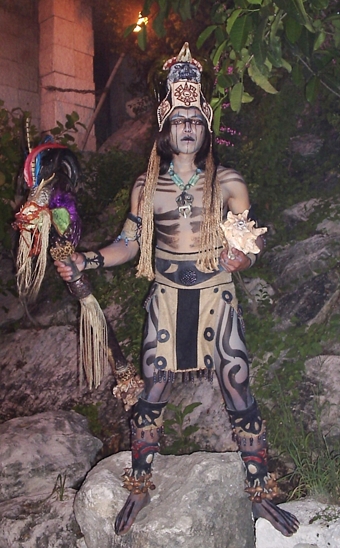
Mayan Shaman or Brujo
“The Devil is in the Detail” implies that although something might look simple at first, there is a catch hidden in the details.
Often an idea seems wonderful, but turns out impossible to implement. We may be able to agree on generalities, but come to blows on specifics. A project may appear straightforward and easy, but takes more time and effort to carry out than we expected. “The Devil”—our difficulties and challenges—hides in the details.
This is the contemporary understanding of the idiom. But, it was not always interpreted this way. Use of the phrase goes back at least to the early 1800s when French writer Gustave Flaubert (1821-1880) said “Le bon Dieu est dans le détail.” By saying “The good God is in the detail” Flaubert was emphasizing that details were sacred and significant.
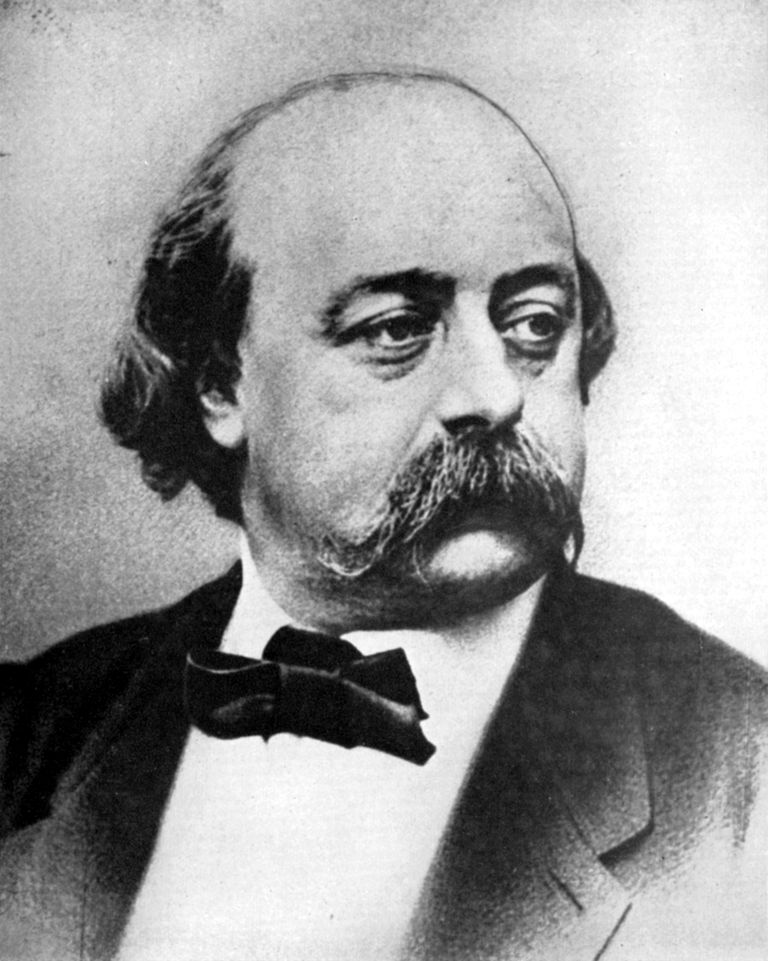
Gustave Flaubert (1821-1880) French Novelist, Wikipedia
Whatever one was doing, it should be done thoroughly and with full attention. Details are important.
The actual source of the idiom is unknown. It’s generally accepted that German-born architect Ludwig Mies van der Rohe (1886-1969) used it, but almost certainly did not invent the phrase. It was a favorite of German art historian Aby Warburg (1866-1929) although his biographer could not be certain it originated with him. Some have attributed it to Michelangelo (1475-1564). Bartlett’s Familiar Quotations lists it as an anonymous saying.
Whether “The Devil” or “The Good God” is in the detail, we are led to conclude that details are very important, even possibly sacred. Writers of historical fiction know this all too well. Get the details or facts wrong, and you’ll never stop hearing about it from readers and critics. Put in too many details, in hopes of giving readers a rich and full experience of a culture and time period, and you’re criticized for unnecessary information that slows down the plot. Put in too few details, and readers complain they cannot get a good sense of the setting, culture, character, time period, geography, and so forth. The historical fiction author has then failed in the all-important task of “world-building.”
Books about well-known societies and cultures have fewer challenges in world-building. Most readers already know the Regency or Victorian era, the Tudor or Plantagenet dynasty, Renaissance Italy, medieval times, and popular ancient cultures such as Rome, Greece, or Egypt. Historical fiction authors writing about less known cultures have more need for thorough world-building. In particular, I have in mind ancient Mesoamerican civilizations. Even indigenous groups in North America lived in worlds generally less understood by most readers. In these cases, putting in sufficient details is important.

My HF novels are set in ancient Mayan civilization. There is a dearth of literature focused on this culture; even the Aztecs and Incas get more press. Because of this, my books include details of everyday life, technology, arts, and cosmology to provide a fuller picture of this advanced culture. I weave this information into the story with several writers’ caveats in mind: whenever possible “show rather than tell,” make expositional dialogue seem natural, make the details serve the plot or character development. Most importantly, keep it interesting.
Ah, there’s the rub. How much is enough and not too much? Reviewers have called my books “well-detailed,” “no light read,” full of detailed descriptions,” “complex world-building.” They also say the books “provide a realistic feel,” give “depth and meaning to overall events,” and make “the Mayan world and its underlying influences come alive.” But one review from a pricey and well-respected source felt there were just too many details. While the information was captivating, there was far too much for an enjoyable novel. Besides, they complained that readers really didn’t need to know about the “trapezoidal linear truss using high strength timber crossbeams” that made Lakam Ha’s architecture innovative.
Who would want to know? Anyone interested in ancient Mayan civilization.
One often pondered question is how the Mayas built their soaring pyramids of huge stones in a jungle environment without metal tools. Ancient Lakam Ha (Palenque) is widely known as the most graceful and architecturally unique Mayan city. A good deal of literature examines how they built and what innovative technologies allowed Lakam Ha to create its harmonious structures. Mayas traditionally used a corbel arch technique to form ceilings of chambers and passageways. Not a true arch, this technique lacked support strength. At Lakam Ha, ceilings were higher and rooms wider than at other Mayan cities. The trapezoidal linear truss was the technology that made this possible.

Maya Trapezoidal Linear Truss
In any case, this is mentioned only once in a short passage of three paragraphs. The description is set in dialogue between ruler Pakal and his chief architect. To my thinking, it is such tidbits of detail that give readers a good sense of this remarkable culture’s immense creativity.
But perhaps I get carried away . . . in my most recent book about Mayan queens, publishing in October 2018, one major character is a brilliant astronomer and numerologist. Kan Bahlam II, who becomes ruler of Lakam Ha when Pakal dies, invented the 819-day calendar and a secret code language based on astronumerology called “Zuyua.” He conceived and had built The Cross Group, a three pyramid complex considered the ultimate statement of Palenque creation mythology. Panels in these pyramids are carved with hieroglyphs and figures that embed the secret codes and calendar, and weave them with Kan Bahlam’s personal history. It is pure creative genius.
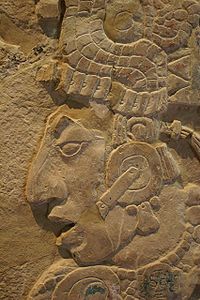
Kan Bahlam II – Temple XVII Tablet
Therefore, I wanted to share this knowledge with readers. After sending the manuscript to my beta readers, however, their feedback made me realize that although captivating, this really was too much information. Several pages of explanations and examples of astronumerology were cut from the book. After all, it had taken me several years of study to understand it and I couldn’t expect readers to grasp it on first exposure.
Because the Devil is in the Detail.
Dia de los Muertos Skull
BUY: The Mayan Queens Series
The Prophetic Mayan Queen: K’inuuw Mat of Palenque

2019 (paperback and ebook) on Amazon or ask your local bookstore.
An Author’s Appreciation
In the writing process, an author comes to realize that readers are an invaluable part. We may write due to internal compulsions, and our books are fulfillment of the creative process, but without people to read those books, something very critical is missing. As we move into 2018, I’m reminded of how blessed I am to have your support and friendship as readers.
In appreciation, I’m giving you a gift. This is a nonfiction booklet I wrote bringing together material about Mayan Queens and women rulers in several cities in Mexico and Guatemala.
Magnificent Mayan Queens:
Native women of Power and Vision, Maya Preclassic to Late Classic Periods.

Why do we read?
Storytelling has been part of human society as long as anyone can remember. Before writing, primitive people gathered around a campfire to listen in rapt attention to the local storyteller weave tales of adventure or mystery. Now we sit down with a good book, e-reader, tablet, smart phone, even the TV or DVD for the same experience. Why is reading or listening to stories so compelling for humans? Psychologists who study the “Theory of Mind” say we’re always trying to guess what other people are thinking and feeling, even though we do this unconsciously. Why is this something people universally do? Because this helps us learn which people we can trust and which we cannot. It also provides basic foundations for social interaction; without this we would be in a quandary about how to respond to others.
Not much has changed in this quintessentially human trait in thousands of years, except the way we engage with stories. Researchers at the University of Liverpool found that social topics make up two thirds of people’s conversation through public media, regardless of age or gender. We continue to be fascinated by other people’s stories, one reason why gossip columns and celebrity cults stay popular. There’s no doubt a voyeur element here, but researchers believe the key value underlying this is empathy. A University of North Carolina psychologist reported that people with high empathy characteristics more easily engage in stories. However, this characteristic varies greatly among people. Some are easily touched emotionally while others seem unaffected by even the saddest or most miraculous stories.
Empathy is “the ability to identify oneself mentally with a person or thing and so understand the other’s feelings or meaning.” Native Americans described this ability as being able to walk in another person’s moccasins; the proverbial “walk a mile in my shoes.”An interesting research finding is that people who read more have an 83% chance of forming excellent relationships, while those who seldom read have only a 14% chance. It seems that when you can see the world through another’s eyes, you have more ability to form good relationships. Research suggests that this drive to seek understanding about the experiences and perspectives of other people is deeply ingrained, perhaps even instinctive.
So keep on reading!
Reading fiction is good for you. It opens a world onto other people and places, where you learn and have vicarious experiences. It goes beyond providing entertainment and diversion, and helps you develop social skills that enhance your relationships. Of course, I’ve got a few good books I can recommend:

Mists of Palenque Series
Four Great Mayan Queens
The Visionary Mayan Queen: Yohl Ik’nal of Palenque
Guest Blogpost by J. Mitchel Baker

It’s my pleasure to host a guest blogpost by J. Mitchel Baker as part of his blog tour. He is featuring his book A Journey Within, a lyrical mix of memoir, adventure, and philosophy as he follows his soul’s call to search for the higher design in his life. He embarks on a personal journey into the wilderness, encountering raw nature with its survival challenges and potential for spiritual revelation. This is the true story of a man whose career involves nature and animals, yet whose inner voice called him into the wilderness. After years of postponement, he embarked on his personal quest into the unknown. In raw nature, he encounters unexpected challenges and finds courage through his animals to forge onward. The book highlights “the duality between both the physical and the spiritual. It carries a message of courage and inspiration to connect with life and the inner self, taking the road less traveled, and living authentically.”
Below are Baker’s reflections on the mystical powers inherent in nature. My review of his book follows. — Leonide Martin

J. Mitchel Baker
The mystique of the wild
I rage over the discourtesies shown by other drivers on an overfilled urban stretch of road. I stress over the relentless looming of debt. I obsess with the needs of my children. My hypertension rises with the vagaries of office politics and oppressive timelines. This is an ordinary day, played over yet again and again. But is this the life we were truly meant to live? Oh how I wish I were back in the wilds. The wild is often in my dreams; memories acute with wisdom learned.
Find a place in nature: the ocean, the forest, a river, or a mountain top. Sit and simply listen.
It begins with absolute silence. An ear accustomed to too much input will resist the auditory vacuum. A body learned in the ways of constant motion and a full agenda will fight for purpose. But be utterly still. Do not speak. Breathe deeply. Allow the ego to quiet itself. And be mindful of all things internal and external. There you can find your true self. There you can hear your true inner voice. There, in that setting devoid of space and time, is where you find awareness.
The listless flapping of leaves and the slow sway of the trees in the breeze naturally aligns our rhythms to the earth. The colorful grandeur of a mountain range as the sun settles demands we feel small and insignificant, yet happy to be alive. The vastness and brilliance of the stars on a cloudless night remind us we are part of something greater than ourselves. Sacred moments such as these give us pause to reflect on what is truly important in our lives.
The mysticism of these singular moments is the self-realization that the separation between each of us and nature is an illusion. Everything in nature is connected. Her millions of component parts contribute to create a perfect whole. We are part of that whole. She guides us toward something larger than ourselves, forces us to exist in the moment. Not yesterday. Not tomorrow. Now.
“There came to me a delicate, but at the same time a deep, strong and sensuous enjoyment of the beautiful green earth, the beautiful sky and sun; I felt them, they gave me inexpressible delight, as if they embraced and poured out their love upon me. It was I who loved them, for my heart was broader than the earth; it is broader now than even then, more thirsty and desirous. After the sensuous enjoyment always come the thought, the desire: That I might be like this; that I might have the inner meaning of the sun, the light, the earth, the trees and grass, translated into some growth of excellence in myself, both of the body and of mind; greater perfection of physique, greater perfection of mind and soul; that I might be higher in myself.”
– Richard Jefferies, The Story of My Heart
The mystique of nature is neither measurable nor empirical but rather a deep experience that heals and inspires; an understanding all indigenous people across the globe have acknowledged for thousands of years; each embracing the earth as their mother. The emotional connection is there if you sit and simply listen. But perhaps we have travelled too far into our urban sprawls.
 A Journey Within by J. Mitchel Baker

Review by Leonide Martin
This first person account of the author’s quest for his destiny and personal truth is both lyrical and intensely vivid. Driven by an inner vision to seek the fullness of who he is, Baker plans an adventure on horseback into the wild country of New Mexico. With his dog and three companions, he braves uncharted mountain terrain along the Continental Divide, taking few supplies and depending on nature to provide most needs. The congenial group of men, horses and dog faces unforeseen obstacles and must use wits and instinct to surmount flooded rivers, steep craggy paths, and disappearing trails.
Weaving through scary accounts of close calls with disaster are Baker’s inner reflections, revealing a profound philosophy and dedication to following his spiritual path. These deeply felt considerations are infused with an appreciation and honoring of nature that borders on the mystical. His love for animals and the natural world shines through. He is a man capable of enduring heart rending loss and yet remaining open to the richness of life’s experiences. Quotes at the beginning of each chapter frame the issues he grapples with, or provide inspirations drawn from a surprising range of teachers, from Jung and Freud to Mark Twain and Thoreau, Leo Tolstoy, Yogi Bera and modern mystic Caroline Myss.
Baker must make choices toward the journey’s end about following his own goals or keeping solidarity with his companions and ensuring safety. His selfless decision truncates the quest and he ponders what more might have been forthcoming had he continued. Feeling that the journey is incomplete and spiritual revelations remain, Baker ends the story setting off on another nature encounter with his horse, dog and one friend. The journey continues as he seeks to discover a greater design for his life.
Preconceptions commonly held about “cowboys” and outdoorsmen in the southwest are dismantled by this sensitive, eloquent memoir.
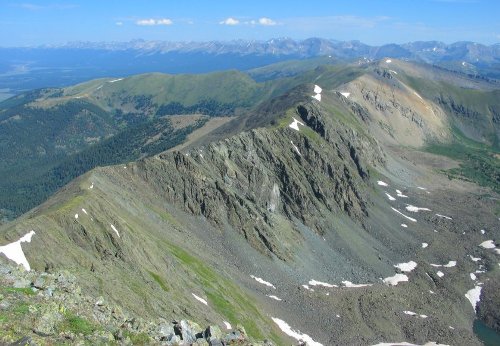
Continental Divide
Silver Medal for The Red Queen
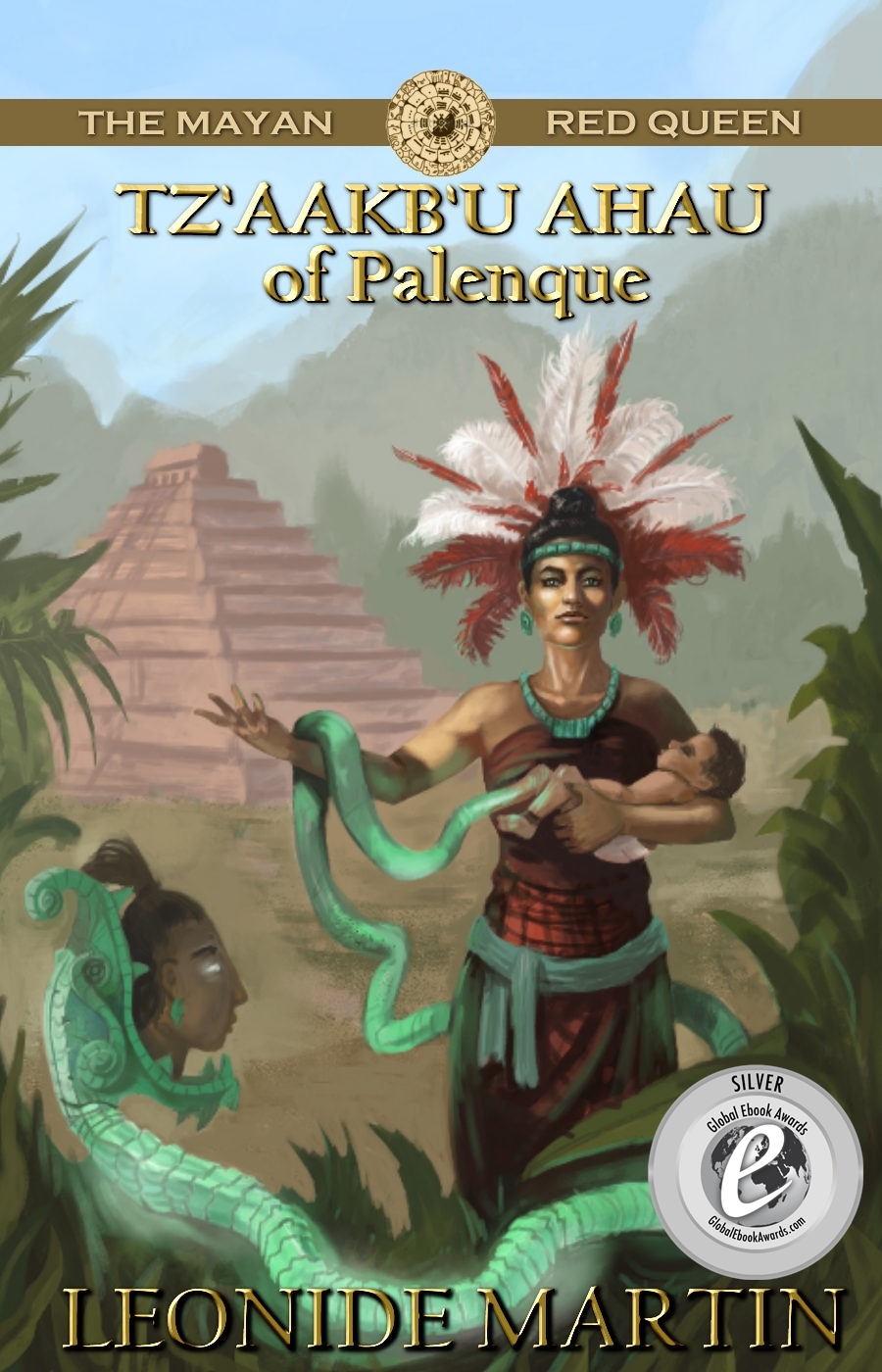

Silver Medal Winner of the 2016 Global Ebook Awards
The Mayan Red Queen: Tz’aakb’u Ahau of Palenque receives award in Fiction-Historical Literature-Ancient Worlds.
It was an exciting moment when I received the notice in August that my book won a Silver Medal in the Dan Poynter Global Ebook Awards for 2016!
Book awards mean a lot to authors. They validate our efforts and help bring our books to the attention of readers and booksellers. The Mayan Red Queen has been given favorable reviews in The Midwest Book Review (2016) and by Writer’s Digest (2016), but this is her first award. So, I am very happy and invite you to share the moment by recalling the story if you’ve read it, or reading the book if not.
“The Mayan world and its underlying influences come alive, making for a thriller highly recommended for readers who also enjoy stories of archaeological wonders.” The Midwest Book Review, Diane Donovan, Editor and Senior Reviewer.
“The quality of this novel is top notch . . . beautifully written. The plot was interesting and very unique. The author’s best skill is in crafting believable yet mythical characters that carry the story almost effortlessly. . . fans of complex world building will be absorbed by this one–with pleasure!” Writer’s Digest 3rd Annual Self-Published e-Book Awards
Mists of Palenque Series
Mists of Palenque Series: Four Great Mayan Queens
-
How to Cook Authentic South Louisiana Rice
New Orleans, my birthplace, and all South Louisiana are justly known for unique and exquisite cuisine. It includes French Creole and Cajun styles that have…
-

Three Women on a Porch: Story Behind the Picture
ThreewomenporchHahnville Continue reading →
-
Are We Cajuns? My South Louisiana Family’s Acadian Saga
A Story of Origins by Leonide (Lennie) Martin Growing up along the Mississippi River just above New Orleans, I was surrounded by French culture and…
-
Adena and Hopewell: Advanced Indigenous Cultures of North America
Honoring Native American Heritage Day — Indigenous Mound-Pyramid Builders the Adena and Hopewell Cultures Today, November 27, 2020 is Native American Heritage Day in the…
 leonidemartinblog